If I were
OR
If I was?
Which is correct?
Most of us might vaguely recall a high school English teacher discussing mood, but few of us remember what it means.
Read More
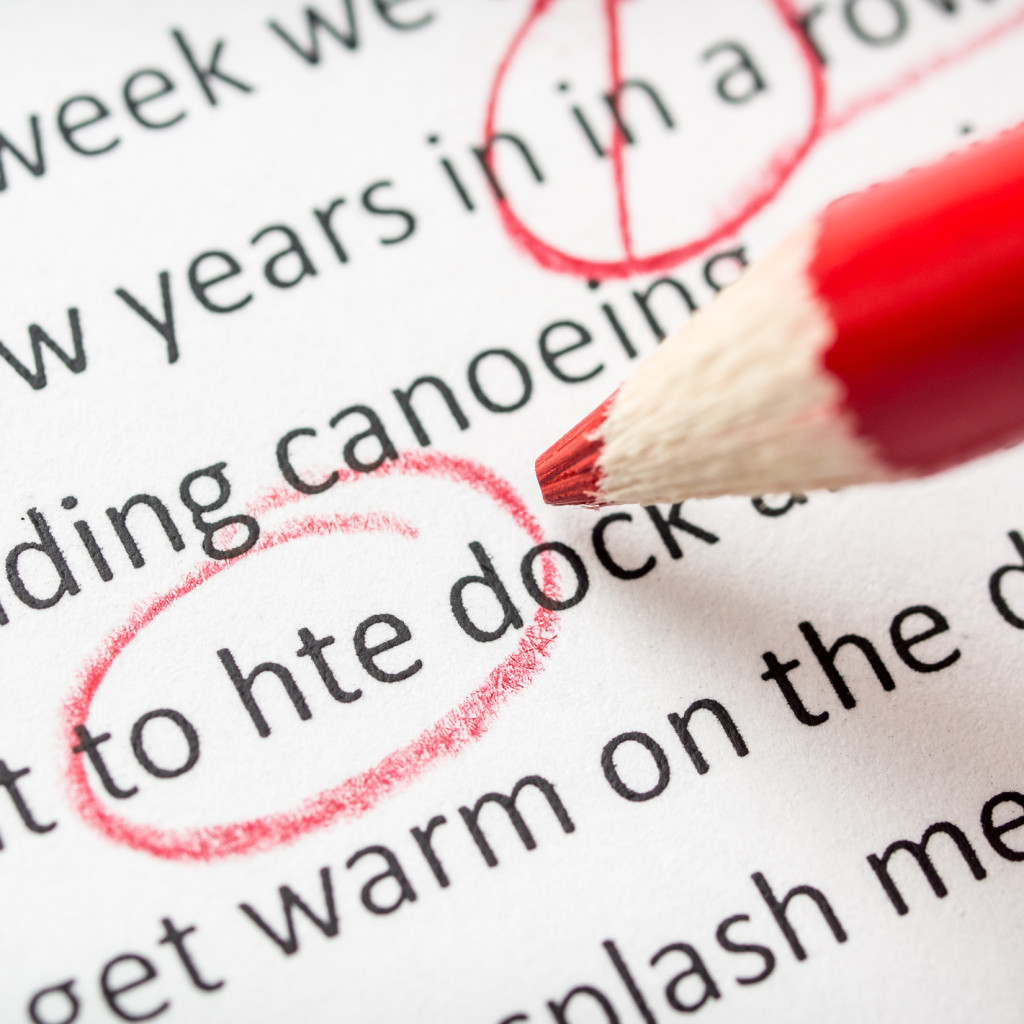
Copywriting is a peculiar thing.
Online copy and business-directed content don’t follow the same rules as other literary and journalistic works. Copywriting is looser in many ways, and it offers more flexibility in tone and style.
However, this doesn’t mean that you can cram your writing with whatever you want and expect it to work for your clients. The goal of most online copy is to educate and engage a readership about a topic, and just slapping words on a screen won’t do the trick.
Read More

Editing is the calm after the storm. It’s when the survivors pick through the wreckage, making a semblance of a life again. A little dramatic, perhaps, but it’s apropos. Writing is the storm that messes everything up, throwing words, punctuation, and grammar here and there…and editing cleans it all up.
Read More

Do you ever wonder whether you should use “which” instead of “that” or vice versa? In the United States we use “which” differently than those living in the United Kingdom. I have no idea when or how the usage diverged, but according to our Modern Language Association, there is a correct way to use each.
Read More

Quick, before the Feds kick down my door—let me tell you a story.
This is a case of alleged corruption, unproven fraud, and suspected malfeasance…all made possible by a small grammatical ambiguity.
What if I told you that a missing comma nearly let me slip away with half a million dollars of ill-gotten taxpayer money? Well, “slip away” might be the wrong way to put it—the questionable actions can be justified as perfectly legal…from a certain point of view.
Where to begin?
Read More
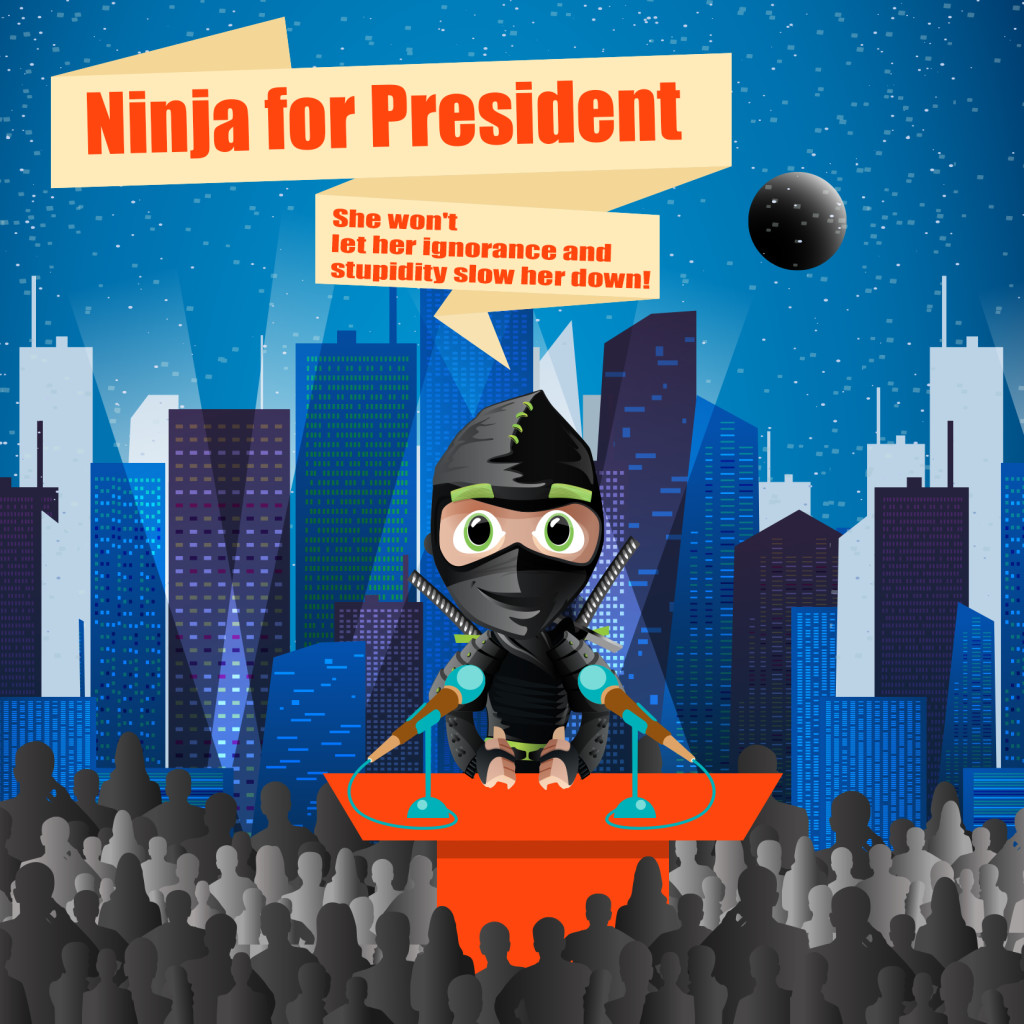
Q: Can you describe the difference between “ignorance” and “stupidity”? I often wonder about the distinction when reading your posts.
A: The Language Ninja is literally and figuratively sputtering with rage at your insult disguised as a query. She concedes, however, that it is elegantly framed. Well met!
Read More

There was a time, in the not-too-distant past, when technical writing as a profession held a comfortable, well-established place in the development of products and software. At least, among mature organizations who understood the value that a technical writer brings to the process. Particularly in the software industry, technical writers could count on a fairly predictable routine that coincided with a development cycle that (usually) provided ample time to write 500-page user manuals, plus the online help topics.
Read More

04 12 2015
A Little Love for Put-down Punctuation
In journalism, commas in a list are frowned on (AP Style outright bans them), and simplistic writing is encouraged. While journalists are, by far, some of the best writers out there, they have to adhere to a certain style—and not just AP or inverted pyramid. Their writing itself must be presented a specific way, or the piece gets tossed back at them like flotsam. “Your word count is too high,” is an often-heard complaint from news editors. “Re-arrange your first four paragraphs and cut back on the prose,” et cetera.
Read More

03 11 2015
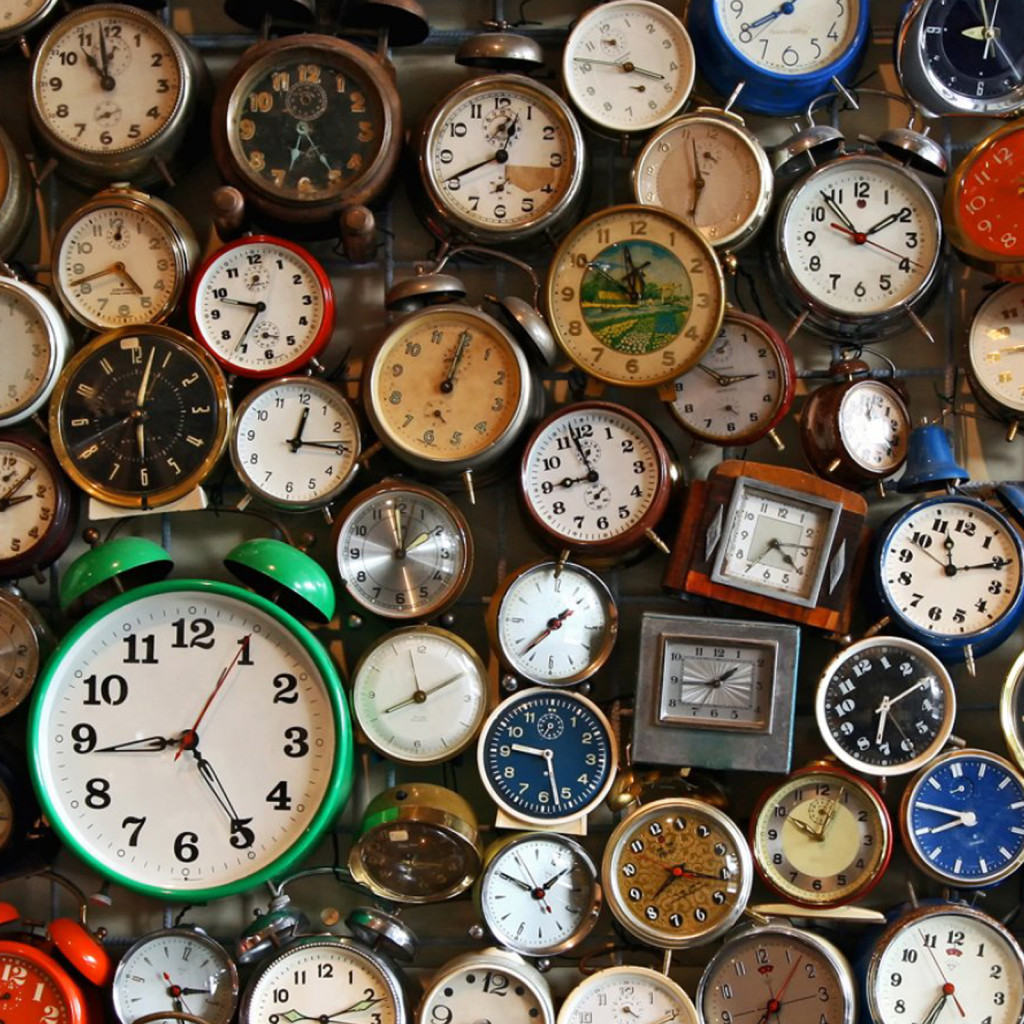
Timing Your Social Media Posts
As they say, timing is everything. The second hand of an increasingly anachronistic analog clock ticks through each moment of our lives and stops for no one. There are the occasions where we wish we could will time to move faster and just as many that leave us wondering in dismay where it all went.