
30 12 2014
Is Your Business Braced for the New Year?
Welp, here we are at the end of 2014 with a brand new year peeking out over the horizon. If you’re like us, you’re thinking about your business adventures from the past 12 months and planning on how to make 2015 blow 2014 right out of the water.
Here are a few tips that can help:
Read More
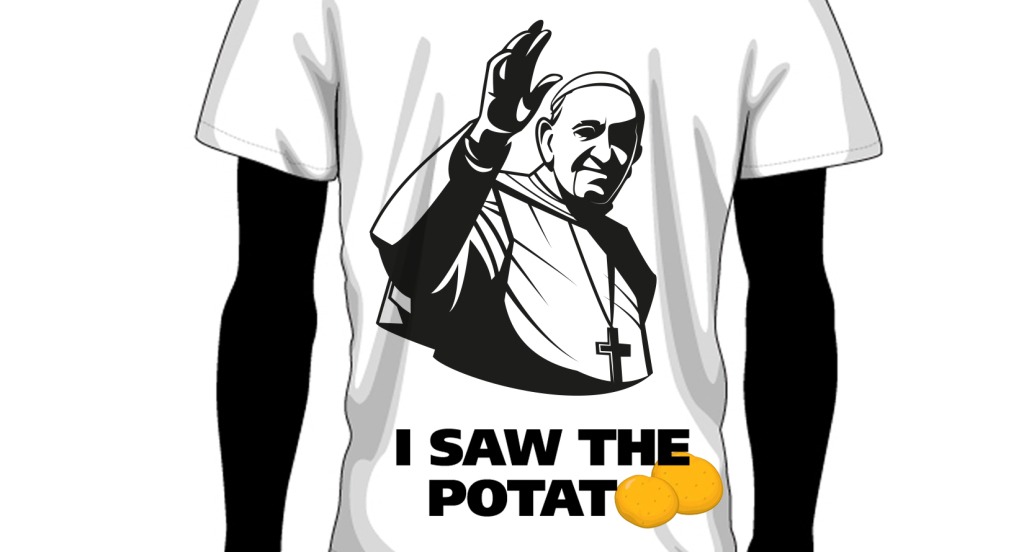
The Internet abounds with examples of “Engrish”—signs, menus, and other writing, poorly translated into English. For example:
- “Carefully slip and fall down.”
- “Please present your octopus.”
- “If you are stolen, call the police at once.”
Although English speakers find these amusing, did you ever stop to think that it works both ways—that non-English speakers might get a laugh from writing that is poorly translated from English? I’ll spare you the suspense: Yes.
Read More

Commodities have been on my mind as of late. I’m not talking about the “Trading Spaces” kind, but rather those that are mistaken for commodities when they’re actually not — especially services. This all came about when a client of mine requested that we chat about a new direction for his company’s blogs. We’d been focusing on some of the graphic design elements of the company’s service offering and hadn’t received much feedback as of late, so when I was contacted to discuss details, I got excited. Feedback and client involvement is a strong component in effective, targeted content.
Read More

Rake up the excess on your old blog, and rake in new connections.
Ah, fall: my favorite time of year. I’m not a full-fledged drive-thru maven in yoga pants with an uncontrolled addiction to #PSLs, but I do love a touch of fall flavor. Interestingly, autumn is really a season of decay in some senses: the leaves wither and fall, the air turns colder, and warm ovens turn the harvest’s bounty into pie after pie.
Even though this season is about things falling away, it’s still impossibly joyful for many people. Perhaps it’s our collective recognition of the fact that when things wither and die, they will come back renewed after a winter of rest. Whatever it is, we can’t get enough of fall. And perhaps the world of business writing, copy, and marketing could use a touch a pumpkin spice.
Here are a few lessons we can all glean from some of fall’s most cherished pastimes and traditions. This is an excellent time of year to do a bit of “cleaning house,” just as we pack away the shorts and bring out the sweaters with October’s first chill.
Read More
 Question: Ninja, tell me truly. Is grammar important, really?
Answer: Yes, of course! With a caveat.
See, grammar exists as a structure for the efficient communication of ideas. When we uniformly accept the common standards for a particular language, we are able to say what we mean and mean what we say. However, humans made the rules, and humans can gosh-darned well break them, too. Screw you, academia!
Language is Fluid
Language is fluid; usages change and we may even begin to use basic terms in radically different ways. The word hack may seem innocuous enough, but there are no less than seven common definitions for this one little term, and we aren’t even counting the archaic falconry and cheese-making associations (“I’m still hacking[1] up my lungs from when I had to hack[2] my way out of my burning apartment with a Rachel Ray kitchen knife, after that hack[3] who hacked[4] into my life-hack[5] website dropped a lit joint on my shag carpet, then called a hack[6] and fled because he couldn’t hack[7] it”).
Read More
23 09 2014
Oh, Did You Want WRITING in Your Blog, Too?
Everywhere you look, advice on SEO marketing and increasing site traffic are all “blah blah blah” about the all-powerful content. How to improve your content. How to create engaging content. How what you thought was good content at one time is now no longer acceptable because of reasons. (And, on a related note, how to spiff up existing content.)
At the frontline of content creation stands blogging. Blogs started out as the business equivalent of a “Dear Readers,” but let’s be honest: most blog posts these days have almost nothing to do with actual writing anymore. They’re all about cross-marketing and the multimedia experience, or how many images to include and at what resolution and which designer can hook you up with a really swell infographic.
Read More
Can any business really exist without an online presence? This slightly existentialist question is really one of practicality rather than philosophy:
- 89 percent of consumers use search engines to learn more about businesses and the products or services they offer before making a purchase
- 71 percent of purchase decisions start out with an online search
- There are 100 billion searches conducted on Google every month
Read More
In the wonderfully wacky world of online content and blogs, there are an array of competing opinions and disparate styles. What often lacks in the majority of business blogs is a unique “voice,” that essential yet somewhat misunderstood aspect of writing that makes it sound different from everything else. Developing a unique voice for your company’s online content is a sure-fire way to set your business apart from the competition and give readers (potential customers!) a little taste of what you’re really all about.
Read More
Under normal circumstances, bounciness is a good thing. I mean, obviously no one wants a basketball that doesn’t bounce, and a non-bouncy inflatable jumping castle is just lame. One place you don’t want bouncing, though, is your website. A site’s bounce rate—that is, the percentage of visitors who pop over to your site and right back out again without exploring past the landing page– directly impacts your search engine rankings. Luckily, there are a few tricks you can use to reduce your bounce rate… and one of them is high-quality writing.
Read More
17 06 2014
The Relationship between Copy and Design
 Many web designers finish an entire project before remembering that they need a copywriter to fill in all those nifty little design elements, while most writers never even see the destination site their copy will grace. Although clearly complementary, for some reason these two disciplines insist upon existing in totally separate bubbles. In reality, though, copy and design are symbiotic, and need to be treated as such.