I was checking out one of the educational marketing courses offered at the HubSpot Academy the other day when I was struck dumb. Dumbstruck, even.

Read More

Writing content for use in inbound marketing inevitably intersects with the world of SEO. Keyword variations and backlink quality are two obvious points of contact, but many marketers don’t stop to consider that the placement of on-site content, and website page design as a whole, also plays a significant role in their website’s SEO value. It’s called writing with user intent in mind.

In most cases, you’re getting the biggest bang for your SEO buck by providing readers with the answer they want immediately, and then providing details after. Your goal is to understand what brought each reader to your page and then to hammer that value proposition home as early in the page as possible to fulfill that user’s purpose for coming to your page in the first place.
Read More

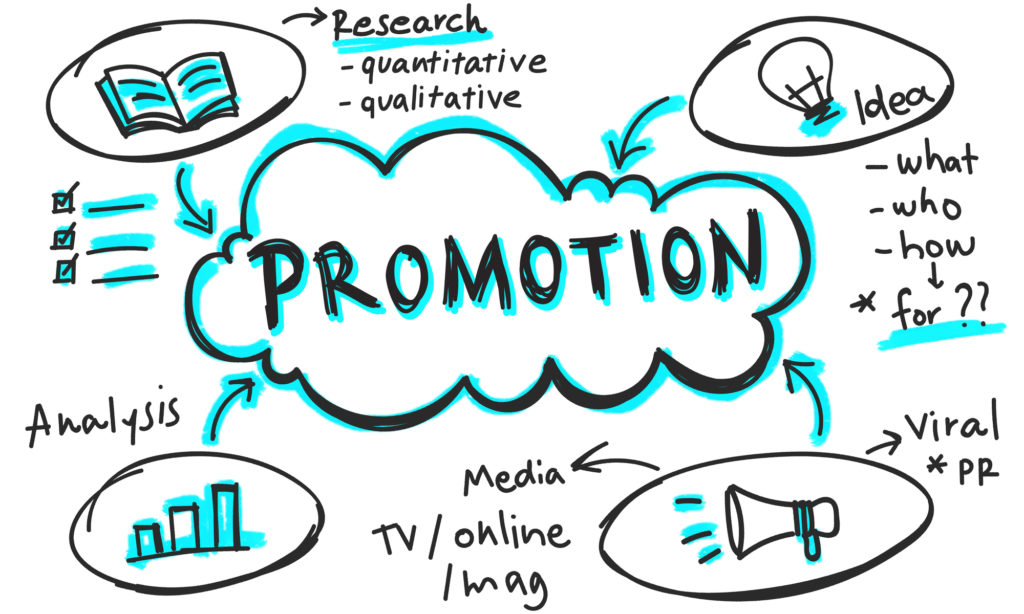
The New Year is a time for change. It’s a time to kick bad habits and pick up constructive ones. It’s also a time to try new things. It just so happens that there are a number of products and services that can help people open a new page in their lives – a substantial number. What that translates into is a steep curve for competition on your New Year’s promotional offers. Luckily, there are some basic tips to help you stand out from the competitors.

Read More

Remember back in the old days when a Yellow Pages listing and a well-placed advertisement in the newspaper were all it took to market yourself? If so, you’re definitely showing your age right now. But more importantly, if you haven’t already, forget the marketing tactics that you used in the 90s and 2000s. Marketing has changed, and if you want to adapt with it, you’re probably going to need to hop on that inbound train sooner than later. This means two things: Content marketing and SEO.

Read More

There’s a tendency to view marketing campaigns through a lens of cynicism. A lot of it has to do with the unwelcomed ubiquity of ads in every aspect of modern life. People see advertisements as daily hassles from people they assume are trying to sell them something they don’t need. The truth is that this assessment isn’t always too far off the mark.

Read More

We’ve all had those insightful moments where a brilliant thought or idea rushes through our mind. It’s this time that we run to grab our pencil and paper and quickly jot down our fleeting thought. Did you ever feel like your brilliant idea became a complete flop once you put it into words? Sometimes it’s not our actual ideas that need tweaking, but rather the language we use to describe them.

Read More

Now, I know what you’re thinking. Trader Joe’s is doing some guerrilla marketing, isn’t it?

Don’t worry—the advertisers haven’t bought me yet. This has nothing to do with advertising and everything to do with me stumbling across some marketing materials that have plenty of copywriting lessons to share. 

Read More

Back in 2013, in response to a convention question, Wil Wheaton (yes, that Wil Wheaton) explained how he has grown to embrace and define the word “nerd.”

“When I was a little boy, people really teased me about [being a nerd] and made me feel like there was something wrong with me for loving those things. Now that I’m an adult, I’m a professional nerd, and the world has changed. I think we have realized that being a nerd is not about what you love but about how you love.

Read More

Copywriting is a peculiar thing.

Online copy and business-directed content don’t follow the same rules as other literary and journalistic works. Copywriting is looser in many ways, and it offers more flexibility in tone and style.

However, this doesn’t mean that you can cram your writing with whatever you want and expect it to work for your clients. The goal of most online copy is to educate and engage a readership about a topic, and just slapping words on a screen won’t do the trick.

Read More

Q: Why are the rules of punctuation so strict? When is it appropriate to us a comma? When should one use a comma as opposed to a semicolon, or an em-dash, or parentheses? What is the difference between a semicolon and an em-dash, anyway? What is an em-dash, and how did it happen?

A: The Language Ninja orders you to calm down. Although you seem slightly desperate to have all the answers immediately, they will have to be addressed in a series of posts. Try not to allow your head to explode.

Read More


1 2 3 4 5